Quick answer
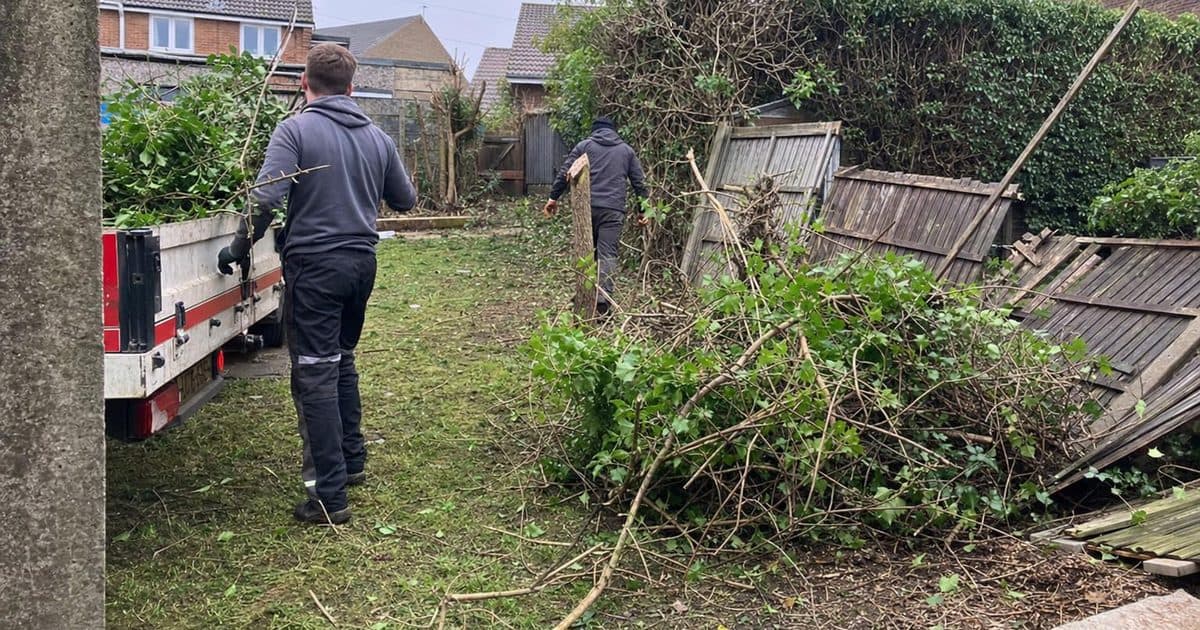
Garden clearance usually covers green waste, brambles, broken outdoor items and light shed contents; larger structures may need demolition or shed clearance.
What garden clearance usually covers
Garden clearance is designed to take away the unwanted items that build up outside and make a garden hard to use. In Warminster, that often means clearing areas that have become overgrown, tidying borders, and removing clutter that has been left behind after a long period without attention.
A typical clearance can include loose green waste, prunings, hedge cuttings, leaves, weeds, branches, broken plant pots, old garden furniture and small outdoor items. If there is a shed or outbuilding involved, a clearance may also include light contents that can be safely carried out without dismantling the structure.
- Grass cuttings, hedge trimmings and leaves
- Brambles, weeds and overgrown plants
- Small branches and other green waste
- Broken plant pots, compost bags and garden clutter
- Old furniture, broken outdoor toys and similar items
Green waste and overgrowth
If your garden has become difficult to walk through, the main job is often cutting back and removing the material that is causing the problem. This can make a big difference before any further work such as replanting, fencing or patio repairs.
For heavily overgrown areas, it helps to point out any hidden features such as steps, drains, paths or boundaries before the team starts. That makes the work safer and helps avoid delays.
Fencing, sheds and outdoor items
Old fencing, collapsed trellis, rotting shed panels and damp outdoor furniture are common in clearance jobs. Some of these items can be removed as part of a garden clearance, while larger or fixed structures may need a separate service such as Shed Demolition or Shed Clearance.
What can affect the price
The price of a garden clearance depends on the amount of material, how easy it is to access, and whether any items need extra handling. A tidy front garden with a few bags of waste is very different from a large back garden full of brambles, broken timber and old shed contents.
Access is one of the main things to consider. If waste needs to be carried a long distance, taken through a narrow side passage, or lifted over steps, the job may take longer. Wet ground, tangled growth and awkward items can also add to the time needed.
| Factor | Why it matters |
|---|---|
| Amount of waste | More bags, branches and bulky items usually means more labour and vehicle space. |
| Access | Narrow gates, long carry distances and blocked paths can make the job slower. |
| Type of waste | Green waste, timber, mixed rubbish and heavy items may need different handling. |
If the job includes mixed waste rather than just garden material, it may overlap with Rubbish Removal. If you are not sure what to book, it is usually best to describe everything honestly when asking for a quote.
What to expect on the day
On the day of the clearance, the team will usually look over the garden, confirm what is being taken and then start removing the agreed items. If there are any areas of concern, they may ask a few questions before lifting anything so they can work safely and avoid damageing nearby plants or property.
Most garden clearances follow a simple process:
- The team checks access and confirms the items to be removed.
- Waste is loaded into the vehicle in a safe and organised way.
- Loose debris is gathered up where agreed.
- The area is left as tidy as practical once the job is complete.
If you want a particularly neat finish, say so in advance. Some customers only want the obvious waste removed, while others want borders swept through and the garden left ready for the next stage of work.
How to prepare your garden
A little preparation can make the clearance quicker and easier. You do not need to do the hard work yourself, but it helps to make the main waste visible and accessible before the team arrives.
- Unlock gates and make sure access paths are clear.
- Move cars, bikes and bins out of the way if possible.
- Separate anything you want to keep from anything being removed.
- Point out fragile items, buried cables or loose paving.
- Let the team know about any locked sheds or restricted areas.
If you have mixed outdoor and indoor items to remove, mention that in advance. In some cases, a garden job may be combined with Garage Clearance or House Clearance if there is waste stored in more than one place.
When you might need more than garden clearance
Sometimes a garden has more than loose waste to remove. If there is a shed that is unsafe, a fence that has fallen down, or a structure that needs to come apart before the area can be cleared, a broader service may be more suitable.
For example, a garden with a failing shed may need both clearance and dismantling. If the structure is beyond simple removal of contents, Shed Demolition can be a better fit. Likewise, if there are timber frames, panels or hardstanding features to remove, a more structural approach may be needed.
Garden clearance can also sit alongside other services if the space is being fully reset. In those cases, it may be useful to discuss whether Construction Waste, Demolition or Domestic Waste Removal is more appropriate for the extra material.